

A March 2024 survey of engineering leaders found that 90% of companies delay product launches because of late-stage design changes.
This often happens as project teams hand off designs too late, without checking how parts will perform in the real world. That’s when problems surface.
Wanox helps fix this by making rapid prototyping part of the development process so that you get early samples, faster feedback, and fewer risks before committing to full tooling.
How Wanox Engineers Catch Problems Before They Become Expensive
Wanox begins every prototyping project by collecting precise inputs from the client. These include 3D CAD files (in STEP or IGES format), material specifications, functional and assembly requirements, surface finish preferences, tolerances, and estimated quantities.
This level of detail allows Wanox to match the right tools and methods to the job from day one.
Depending on project complexity, Wanox uses 3D printing, CNC machining, and soft steel molds to create prototypes. A printed part may be ready in 2–4 days, while a soft steel molded prototype typically takes 2–3 weeks. These timeframes allow clients to start testing within weeks, not months.
Prototyping Supports Every Project Phase
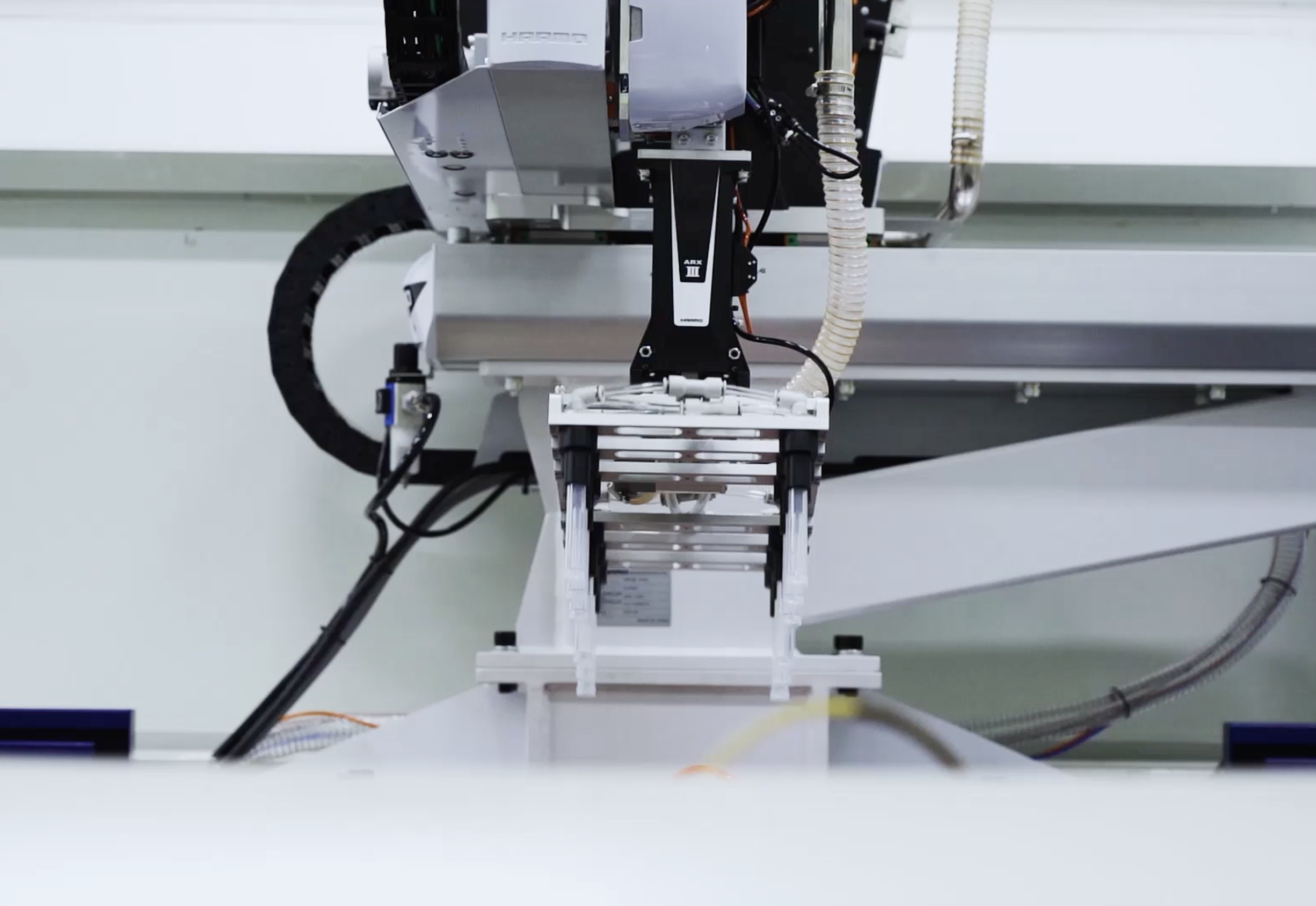
Wanox integrates prototyping across three major stages of a typical client project.
- At the early concept stage, simple visual or fit prototypes help validate whether a product idea makes sense physically. This might involve 3D printing a single component or housing to confirm size, shape, or how parts fit together.
- In the mid-stage, Wanox builds working prototypes using real materials and rapid molds. These versions allow teams to test performance and manufacturability under real conditions.
- Finally, in the late stage, Wanox supports small-batch pilot runs before the client commits to production tooling. These runs confirm the product meets functional and cosmetic requirements. They also serve as a final checkpoint before scaling.
At each stage, clients review, test, and approve each iteration before moving forward. If needed, they conduct real-world validation before signing off.
Faster Iteration from In-House Tools and Tight Feedback Loops
Wanox’s teams review designs together during each prototype round, so issues are flagged early and changes happen fast, before they slow down production. Engineers use mold flow analysis before prototyping to catch risks such as sink marks, air traps, or uneven filling. This step also helps define key parameters like gate locations and reduces trial-and-error later.
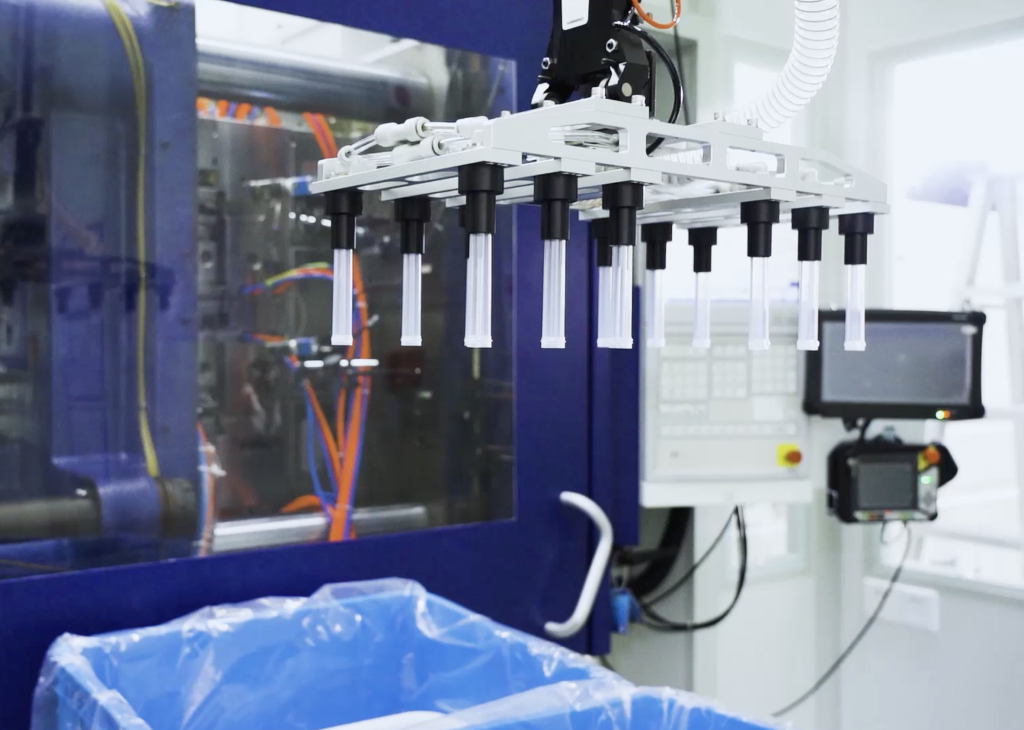
Wanox builds soft steel molds using CNC machining or wire cutting. These molds are easier to adjust than hardened steel ones. If a test reveals a need for change, engineers can modify the mold quickly.
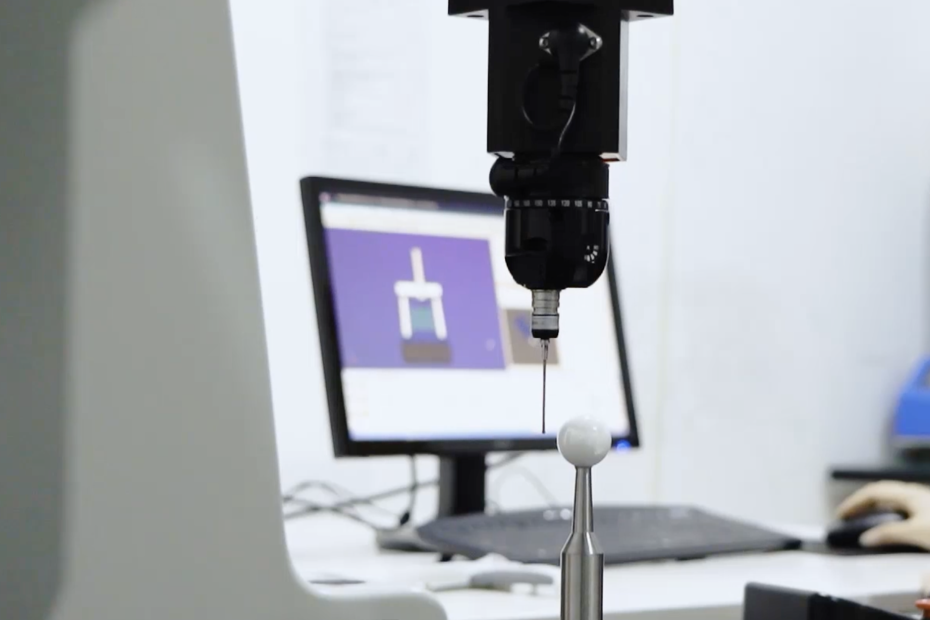
Every prototype undergoes a full quality check. This includes dimensional inspection, strength testing, cosmetic evaluation, and assembly tests. The goal is to validate how a part looks and performs.
Clients are kept in the loop through DFM (Design for Manufacturing) review meetings, FAI (First Article Inspection) reports, and documented testing results. The process is structured and repeatable.
Real Savings From Fewer Iterations
Most Wanox clients go through only 1–2 prototype iterations before moving to production. This is possible because of the early design reviews and use of simulations.
For example, a recent medical device project for a sports health monitoring product ran into issues during the first prototype round. Wanox engineers found that one component could not rotate properly due to a design flaw. Because the prototype mold allowed for rapid changes, the team reworked the part, adjusted the draft angle, and solved the problem. The product then met all performance criteria, and the client moved forward with confidence.
Cases like this show why rapid prototyping is a technical step that leads to a business advantage. Fixing that design flaw during production would have meant tool rebuilds, missed deadlines, and a loss of trust.
From Prototype To Production Without Missed Steps
Wanox does not treat prototyping as a separate activity, and lessons learned from each trial are applied directly to the final manufacturing plan.
This includes:
- Adjusting draft angles, surface treatments, and tolerances on the part design
- Refining gate locations, cooling channels, and ejection systems in the mold design
- Optimizing injection parameters such as speed, pressure, and temperature
By the time production begins, both the part and the process have already been validated. Clients know what to expect because they have already seen it.
Why It Matters
When every day counts, early mistakes are expensive. Wanox’s prototyping process gives clients the chance to find and fix issues before they become costly problems. Companies make decisions based on working parts, not assumptions or renderings.
And because Wanox handles everything in-house, from simulation to soft tooling to validation, clients avoid delays from third parties.


