

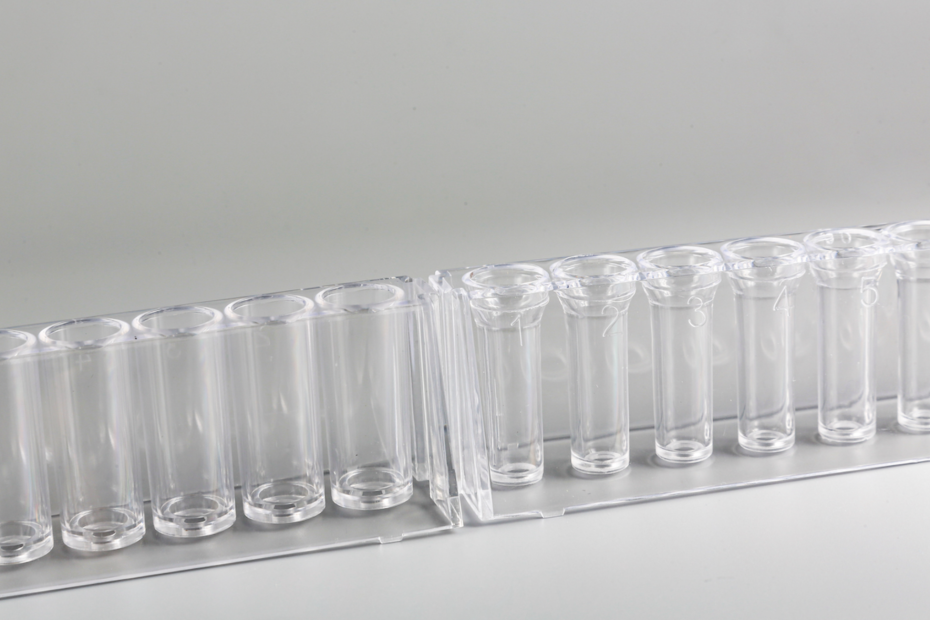
Foreign buyers face different challenges as China ramps up regulations in green manufacturing, quality control, and medical device compliance. It’s no longer enough to rely on past experience or local agents, and sourcing strategies must now account for shifting policies that affect materials, documentation, and production processes.
If you’re responsible for regulatory compliance, supplier qualification, or cost-effective sourcing from China, here’s what you need to know, and how Wanox is prepared for it.
China’s Green Manufacturing Push Now Reaches Medical Devices
Since 2024, China has issued national guidance on green manufacturing evaluation for industrial sectors, including the plastics sector. While not yet mandated by law, these indicators are influencing factory upgrades and customer expectations. Medical plastic parts, especially for export, now face greater scrutiny on traceability, emissions, and material use.
Wanox is already applying green practices through energy monitoring, selection of lower-emission raw materials, and design-for-recyclability (DFR) in its plastic parts manufacturing. These practices align with both internal ESG targets and the expectations of EU and US buyers.
Export Requirements Are Tightening, Even for Low-Risk Products

Although Class I medical devices have fewer regulatory hurdles, customs clearance now often requires:
• Proper Chinese NMPA classification (Class I, II, III)
• Supporting documentation, like registration certificates or filing records
• Manufacturer or distributor business license verification
Previously, some foreign buyers bypassed these steps by exporting low-risk devices as generic plastic parts. But customs checks are stricter, and incomplete documentation can lead to border delays, seizures, or loss of supplier licenses.
Wanox helps clients identify the correct component classification before production starts. For Class I parts, they work with buyers to prepare correct labelling and supporting documents to avoid rejection at Chinese ports. For Class II and III projects, Wanox can liaise with third-party labs for materials testing and guidance on NMPA registration.
Mandatory Quality Standards Are Becoming Localised
China’s medical device regulations have also evolved. While national standards have long applied, recent shifts now affect components, packaging, and the tracking of raw materials for use in registered Class II and III devices. Companies must submit complete technical files that demonstrate supply chain compliance. For overseas buyers, the challenge is that this documentation often exists only in Chinese. Without precise translations or local support, approval delays and rejected imports are common.
Wanox maintains documentation aligned with both ISO 13485 and GB standards for relevant parts. Their team keeps a bilingual matrix of material codes, approved suppliers, and compliance reports that can be shared during supplier audits or internal QA reviews.
Language and Interpretation Gaps Are Still a Barrier
One of the most common root causes of non-compliance is simple miscommunication. Regulatory teams in the US or EU often receive documents in Mandarin that use unclear naming conventions or lack supporting evidence.
Key examples include:
• Mistranslated materials certificates
• Incomplete submission of inspection records
• Confusion over whether parts fall under Class I vs Class II
Wanox provides bilingual documentation packs, including translated material test reports, labelled photos of critical-to-function parts, and a summary checklist aligned with EU and US terminology. This reduces time spent on back-and-forth queries during regulatory submissions.
Buyers Must Prepare for Cross-Border Audits and ESG Reporting

As cross-border ESG audits become more common, buyers are expected to assess suppliers’ compliance and risk-mitigation processes. This includes:
• Due diligence on working conditions
• Material sourcing traceability
• Supplier environmental performance
Companies sourcing from China are now being asked how their overseas vendors contribute to ESG outcomes—not just price and quality.
Wanox can supply energy usage logs, recycled material usage rates, and workforce safety records as part of a supplier compliance pack. For large buyers subject to CSRD or SEC disclosure rules, Wanox can assist with ESG data reporting via third-party ESG platforms.
What This Means for You
If you’re sourcing medical plastics or device components from China, these changes mean one thing: you must treat regulatory readiness as a core part of your supplier selection.
It’s no longer enough to ask, “Can they make it?” You must also ask, “Can they prove it, document it, and ship it without delay?”
How Wanox Can Help
Wanox supports global buyers with:
• Early-stage classification and documentation support
• Bilingual compliance reports aligned with ISO, GB, and NMPA requirements
• Proven experience supplying parts for Class I and Class II devices to Europe and the US
• Pre-audit readiness packs for procurement and QA teams
We’ve built these systems not just to meet China’s new requirements, but to make your life easier as a sourcing professional.
Final Word
Medical device regulations in China are evolving fast, and your sourcing strategy mustn’t fall behind. Choose suppliers who already operate at the compliance level your customers demand.
Contact Wanox
Get in touch to discuss your sourcing needs and how Wanox can help you stay ahead of regulatory change.


